Fusarium Mold Explained
Mold types explained
You found a patch of mold that doesn’t look like the usual black or green fuzz. It’s pale, pink, sometimes a washed-out salmon or violet, and it showed up somewhere that has been wet: a baseboard after a slow leak, the tray of a room humidifier, the back of a water-stained cabinet. There’s a good chance you’re looking at fusarium.
Fusarium mold is one of the more misunderstood molds we get called about, partly because its color doesn’t match what most people picture when they think “mold.” It is a moisture-loving genus that thrives on water-damaged building materials and inside standing-water appliances, and in a desert city full of swamp coolers and portable humidifiers, that gives it more places to grow than you might expect. This guide walks through where fusarium grows, how to recognize it, and when a pale colony is worth taking seriously. It sits within the broader family of common indoor mold types we identify and remove.
 Pale pinkish fusarium mold growth along a water-damaged baseboard in a Las Vegas home
What fusarium mold actually is
Fusarium is a large genus of filamentous fungi with hundreds of species. Outdoors it is everywhere, living in soil and on plants, where some species are well known to farmers as crop pathogens. Indoors it becomes a problem the same way most molds do: spores that drift through every building harmlessly all the time find a wet surface and a food source, and a colony takes hold. The trigger is almost always water.
What sets fusarium apart from the molds people usually worry about is its appetite for very wet, often saturated conditions. Where some species are content with slightly elevated humidity, fusarium prefers materials that are genuinely soaked or kept continuously damp. That preference shapes exactly where you find it, and it makes fusarium a reliable signal that you have a real moisture problem, not just a passing humid spell. Identifying which mold you are dealing with is the first step of any honest mold remediation job, because the source of the water, not the color of the growth, is what actually has to be fixed.
It is also worth saying plainly: we do not believe in fear-mongering about mold. Many molds, fusarium included, are simply telling you that something stayed wet too long. The point of recognizing it is not panic, it is fixing the moisture before the colony spreads. If you are unsure what you are looking at, a calm, on-site look usually answers the question faster than searching photos online.
Need help now?
Talk to a Las Vegas expert
In-house certified crews. One-hour emergency response across the valley, 24/7.
Where fusarium grows: water-damaged materials and humidifiers
Two settings come up again and again with fusarium, and both come down to standing or repeated water. Knowing them helps you find the source instead of just wiping the surface.
The desert adds its own wrinkle. Evaporative coolers pull a constant film of water through pads and ducts all summer, and portable humidifiers run hard in our bone-dry air, both creating the wet pockets fusarium needs in a climate people assume is too arid for mold. Catching the moisture source early is the entire game. A wet wall that looks dry on the surface can stay saturated inside for weeks, which is why proper water damage restoration and thorough drying matter so much. Dry the structure to a verified standard and the colony loses its food.
What fusarium looks like
Color is the quickest tell with fusarium, because it rarely shows up as the black or dark green most people associate with mold. Here is what to look for, and why you should not rely on appearance alone.
Pale, light colors. Fusarium colonies are commonly white, cream, pink, salmon, reddish, or even purple and violet. A pinkish or peach-tinted growth on a damp wall or in a humidifier tray is a strong fusarium candidate.
A cottony or fuzzy texture. The growth often looks soft, woolly, or cottony rather than slimy, sometimes with a fine, downy surface. As colonies age the color can deepen toward tan, brown, or rust.
It spreads outward in patches. Like most molds it expands from a wet point, so you will often see it radiating along a baseboard, around a leak stain, or ringing the waterline inside an appliance reservoir.
It can be easy to mistake. Pink growth in a shower is just as often bacteria such as Serratia marcescens, not fusarium at all, and several mold genera share similar pale tones. This is the honest limit of looking at it: color narrows the possibilities, but it does not confirm a species.
That last point matters. No one can name a mold by sight with certainty, and we will not pretend otherwise. When identification actually matters, the only reliable answer comes from sampling. If lab analysis is warranted, samples go to an independent third-party lab, billed at cost, and the report tells you exactly what is growing. Until then, treat any persistent pale colony on a wet surface as a moisture problem worth solving.
When fusarium matters, and what to do about it
Most healthy people walk past mold spores all day with no effect. That said, fusarium is not a mold to dismiss. Some species produce mycotoxins, it is a recognized cause of stubborn eye and skin infections, particularly tied to contaminated contact lens solution and to wounds, and the humidifier-borne version can drive respiratory irritation in sensitive people. None of that is a reason to panic. It is a reason to address the source rather than live with it.
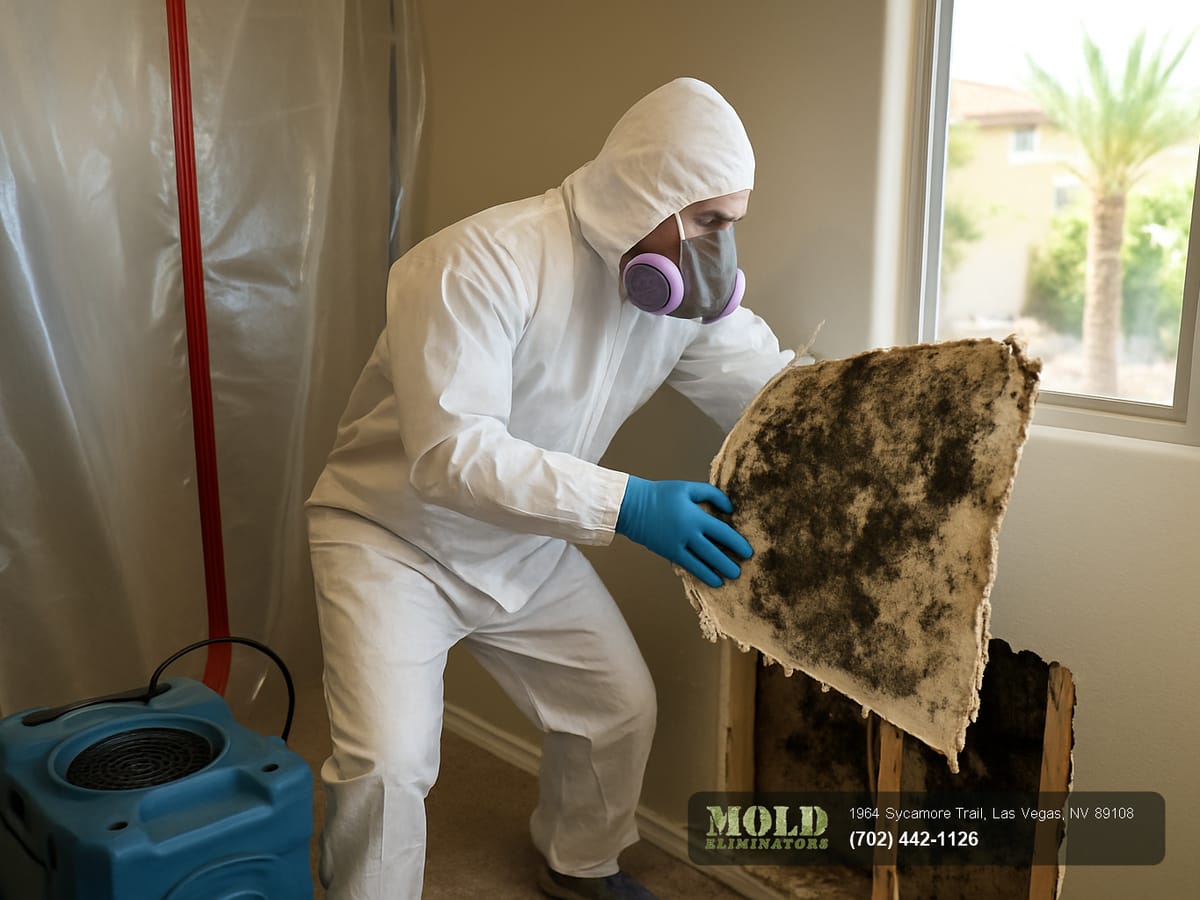
The right response is the same one that works for any mold: find and stop the water, contain the affected area so spores don’t spread during cleanup, remove materials that can’t be saved, and dry everything to a documented standard. Surface-wiping a humidifier or a baseboard without fixing why it stayed wet just buys a few weeks before the colony returns. The water source is the real problem, and the mold is only the symptom.
This is where credentials matter, not as a sales line but because mold work is genuinely standards-driven. Our owner, Craig Herrmann, co-authored the ANSI/IICRC S520 standard, the national rulebook for how mold remediation is supposed to be done, and his crews follow it on every job. We are also openly anti-upsell: if a pink patch in your shower turns out to be harmless bacteria you can clean yourself, we will tell you so. We would rather tell you that you do not need us than sell you work you don’t.
If you have found pale or pinkish growth you can’t explain, the calm next step is a free inspection. We come out, find the moisture source, identify what is realistic to identify by sight, and tell you honestly whether the situation needs remediation, a simple cleaning, or just a fix to the leak. No fear, no pressure, just a clear picture of what is actually happening behind your walls.
Fusarium mold: common questions
- Is pink mold always fusarium?
- No. Pink and salmon growth is often fusarium, but the pink film many people see in showers is frequently a bacterium called Serratia marcescens, and a few other molds share similar pale tones. Color narrows it down but does not confirm a species. The only certain way to identify it is sampling, and if lab analysis is warranted those samples go to an independent third-party lab, billed at cost.
- Why does fusarium keep coming back in my humidifier?
- Because the reservoir keeps refilling with the exact warm, standing water fusarium loves. Wiping it out only resets the clock. The lasting fix is regular cleaning, emptying the tank when not in use, and addressing any room that stays too damp. The same principle applies to swamp coolers and condensate trays anywhere water is allowed to sit.
- Is fusarium dangerous to my health?
- For most healthy people, incidental exposure causes little. That said, some fusarium species produce mycotoxins, the genus is a known cause of eye and skin infections, and humidifier-borne growth can irritate the lungs of sensitive people. It is not a cause for panic, but it is a reason to fix the moisture rather than ignore it. If anyone in the home has symptoms, a professional remediation is the safe path.
- How do I get rid of fusarium for good?
- Stop the water first. Find the leak, the saturated material, or the appliance that stays wet, then contain the area, remove what can’t be salvaged, and dry the structure to a verified standard so the colony has nothing left to feed on. Surface cleaning without fixing the moisture source is temporary. This is the same disciplined approach we use across every type of indoor mold we treat.
- Should I test before removing it?
- Often it is enough to find the moisture source and remediate, since the fix is the same regardless of species. But when health concerns, an insurance claim, or a real estate sale are involved, identification matters. Start with a free inspection, and if lab analysis is warranted, samples go to an independent third-party lab at cost so you get a documented answer.
Found pale or pinkish mold? Get a free, no-pressure inspection.
We find the moisture source, identify what is realistic to identify on-site, and tell you honestly whether you need remediation or just a cleaning. One-hour emergency response, 24/7, across the Las Vegas valley. We will even tell you when you do not need us.