Toilet Overflow Cleanup in Las Vegas
Water cluster · Knowledge
A toilet that overflows is rarely just a mess to mop up. Whether the water is clean or contaminated decides everything that follows: how you clean it, what has to be thrown out, and whether you can safely handle it yourself. This guide walks Las Vegas homeowners through that decision, the science of category 2 and category 3 water, and the steps that actually stop mold and odor from coming back.
Toilet overflows are one of the most common indoor water events we see across Las Vegas, North Las Vegas, Henderson, and Summerlin. Most start the same way: a clog, a stuck fill valve, or a flapper that will not seat, and within seconds water is spreading across tile, under the vanity, and through the grout lines toward the hallway. In a single-story home that water tracks fast. In a high-rise condo near the Strip, it can find the floor assembly and show up in the unit below before anyone notices.
Toilet overflow cleanup sits inside the broader practice of water damage restoration, and the same principles apply: stop the source, classify the water, extract it quickly, and dry the structure to a documented moisture target. The difference with a toilet is the water itself. Depending on what overflowed, you may be dealing with clean supply water or with sewage, and that single fact changes the safe response completely.
This is a knowledge page, not a sales pitch. We will tell you plainly when an overflow is a quick DIY cleanup and when it crosses into biohazard territory that needs certified crews, containment, and lab verification. The goal is simple: help you make the right call before a small spill becomes a mold problem six weeks later.
Clean overflow versus contaminated overflow
The first question to answer is where the water came from, because that determines whether you are looking at a nuisance or a health hazard. The restoration industry, following the ANSI/IICRC standards, sorts water into three categories based on how contaminated it is. Two of those categories are common in toilet overflows.
A clean overflow (category 1, but only briefly)
If the bowl overflows before any waste enters it, for example the tank fill valve sticks open and clean supply water rises over the rim, the water leaving the bowl can start out as category 1, or clean water. This is the best case. It is the same water that comes from your faucet, and on its own it does not carry a meaningful health risk.
The catch is that clean water does not stay clean. Once it sits on bathroom flooring, wicks into baseboards, or soaks into a carpeted hallway, it begins picking up contaminants and bacteria. Industry guidance treats clean water left in contact with materials as degrading to category 2 within roughly 24 to 48 hours. Speed matters: a clean overflow you extract and dry the same day is a very different problem from one you discover the next morning.
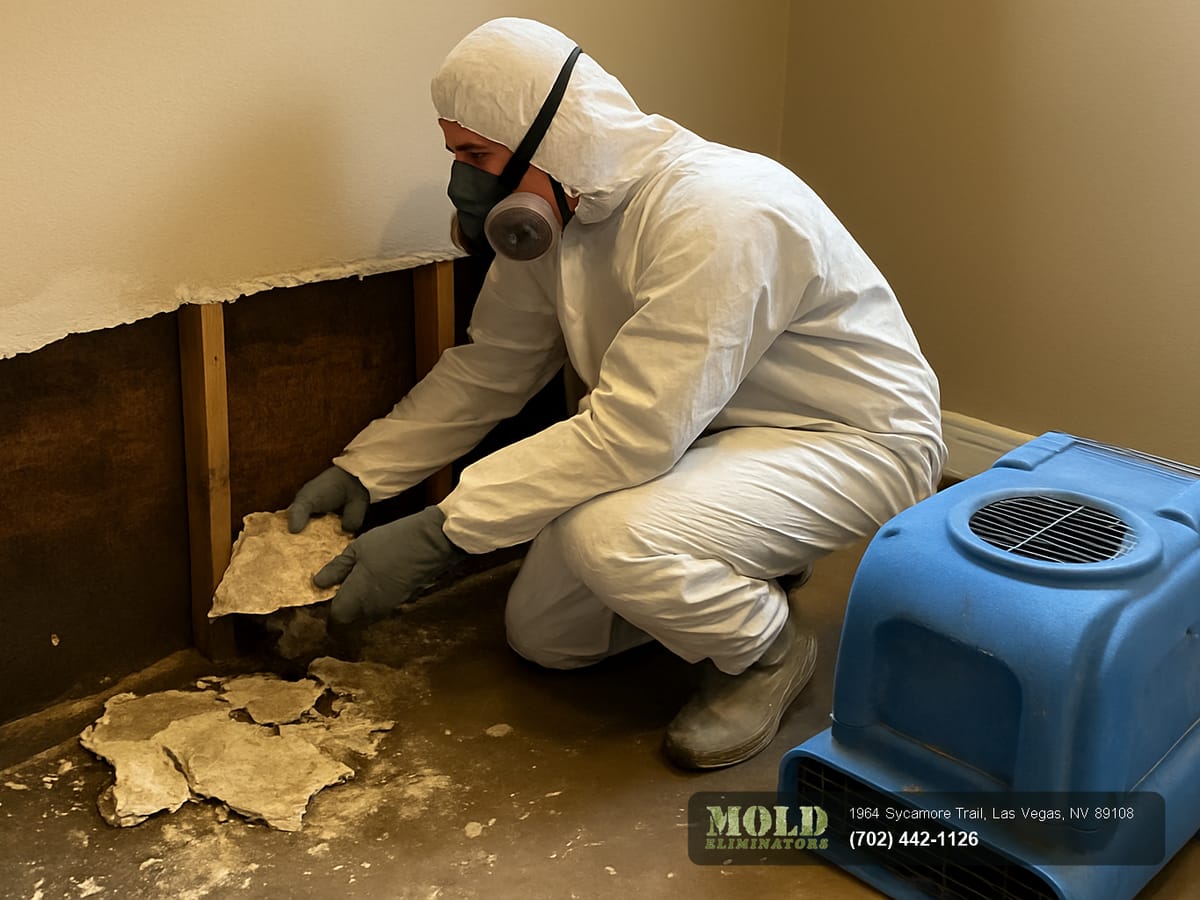 Clean toilet supply water spreading across bathroom tile
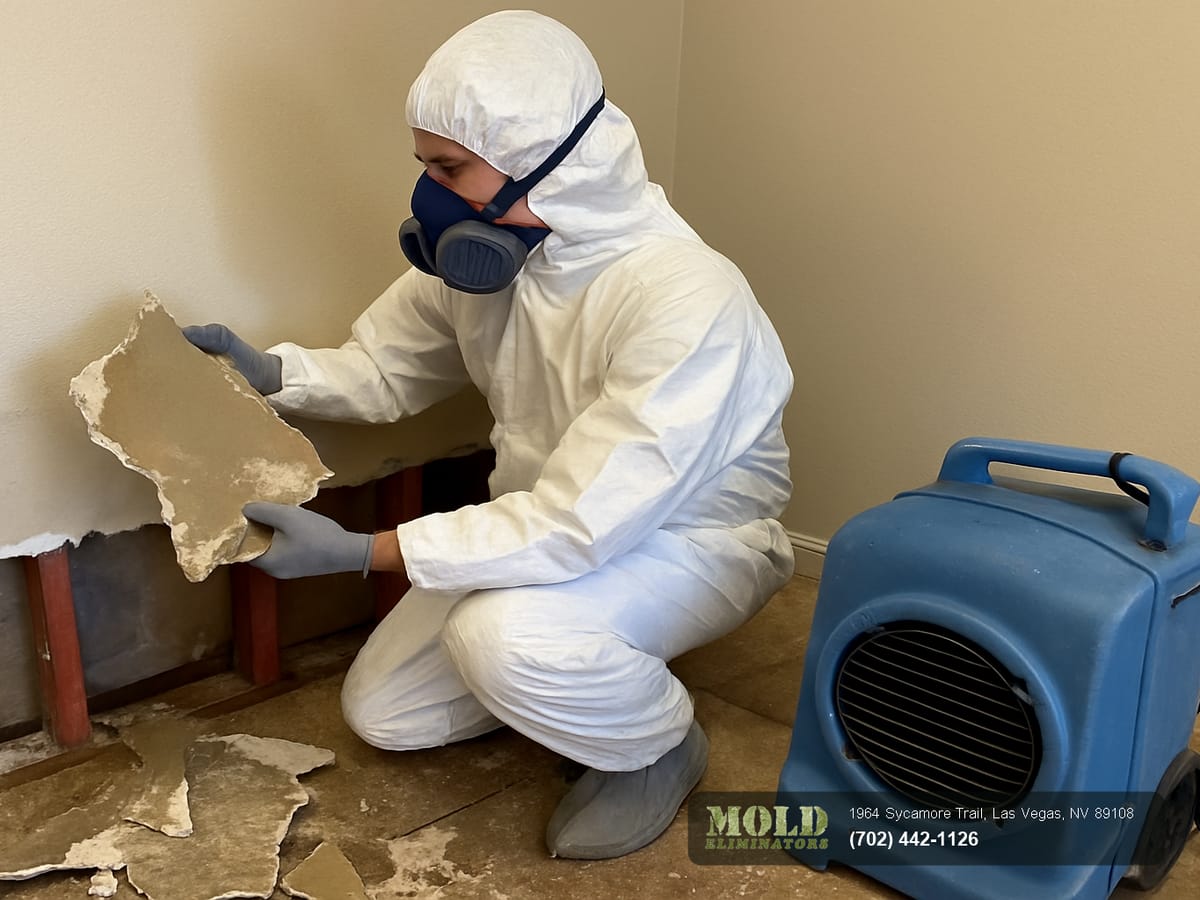 Contaminated water tracking under a bathroom vanity and into flooring
A contaminated overflow (category 2 or 3)
Most toilet overflows are not clean. If the bowl held urine, feces, or toilet paper when it overflowed, or if the backup is coming up from the drain line rather than the tank, the water is contaminated from the moment it hits the floor. That puts you into category 2 or category 3, and the cleanup rules change immediately.
Contaminated overflows often overlap with drain and sewer problems. When a clog is downstream of the toilet, or a main line is blocked, what surfaces is closer to raw sewage cleanup than a simple spill. The visual cue is not always obvious: the water can look cloudy or even fairly clear while still carrying a heavy bacterial load.
Need help now?
Talk to a Las Vegas expert
In-house certified crews. One-hour emergency response across the valley, 24/7.
Category 2 and category 3 water, and when an overflow is a biohazard
Understanding the categories is the single most useful thing a homeowner can learn about water events, because it tells you exactly how cautious to be.
Category 2, gray water. This is water that contains significant contamination and could cause illness if ingested or if it contacts broken skin. Gray water carries bacteria and other microorganisms but not, typically, raw human waste. A toilet that overflowed with urine but no solid waste, or clean overflow water that has sat long enough to degrade, generally falls here.
Category 3, black water. This is grossly contaminated water that can contain harmful bacteria, viruses, and other pathogens. Any overflow that includes feces, any backup coming up through the toilet from the sewer or septic side, and any toilet water that has been standing long enough to grow bacteria is treated as category 3. Black water is a biohazard, full stop. It is the same classification given to a sewage backup, and it is handled the same way.
So when is a toilet overflow a biohazard? The honest answer most homeowners do not want to hear: more often than they assume. If there is any chance solid waste was present, if the water rose up from the drain rather than over the tank, or if it has been sitting for more than a day, treat it as category 3 and keep people and pets out of the area. You cannot reliably tell category 3 water from category 2 water by looking at it, which is exactly why the standard errs toward caution.
This matters because the category drives the response. Category 1 may be a careful DIY cleanup. Category 2 calls for caution and often professional drying. Category 3 means containment, antimicrobial treatment, removal of porous materials, and protective equipment, the same disciplined approach we bring to any contaminated water loss.
How a contaminated overflow is properly cleaned
When an overflow is contaminated, mopping and a household disinfectant are not enough. Bacteria wick into grout, drywall, baseboards, cabinet kickplates, and subfloor far faster than surface cleaning can reach. A proper response follows a sequence that contains the hazard, removes what cannot be saved, sanitizes what can, and dries the structure to a verified target.
- Stop the source and isolate the area. Shut off the toilet supply, keep people and pets out, and contain the affected room so contaminated water and aerosols do not spread to clean areas of the home.
- Extract standing water. Remove the bulk water with truck-mounted or portable extraction before it travels further into flooring and wall cavities. Every hour of standing water deepens the damage.
- Remove unsalvageable porous materials. Category 3 water that has saturated carpet, pad, drywall, and similar porous materials usually means those materials come out. They cannot be reliably sanitized, so removing them is the safe and standards-based choice, not an upsell.
- Clean and sanitize. Hard surfaces, framing, and salvageable structure are cleaned and treated with appropriate antimicrobial agents to address the bacterial load left behind by contaminated water.
- Dry the structure to a documented target. This is the step that separates a real fix from a cosmetic one, and it deserves its own discussion below.
- Verify and, where warranted, test. Moisture readings confirm the structure is dry. Where mold growth is a concern, independent verification confirms the area is genuinely clean rather than just dry on the surface.
Sanitization is not a single spray. It is matched to the materials and the contamination level, and it only works on a surface that has been cleaned first and will then be dried. Treating wet, dirty material does little. This is why sanitization, structural drying, and verification are one connected process, not separate add-ons.
Because the toilet itself is often only part of the story, a thorough crew also checks adjacent rooms and the floor below in multi-level homes and condos. Contaminated water follows the path of least resistance, and in Las Vegas high-rise construction that path frequently runs into the assembly between floors.
Drying the subfloor: the step most cleanups skip
Surface water is the part you can see. The water that causes mold is the part you cannot. When a toilet overflows, water runs along grout lines and seams and soaks into the subfloor, the layer of plywood or oriented strand board beneath your finished flooring. Tile and vinyl can look dry on top while the wood underneath stays saturated for days.
A saturated subfloor is the perfect incubator: dark, enclosed, organic, and damp. If it is not dried to the surrounding equilibrium moisture content, it will support mold growth whether or not you ever see a spot on the wall. This is why structural drying is the heart of a real overflow cleanup, not an optional extra.
Proper drying means measuring. We take moisture readings in the affected materials and in unaffected reference areas, then set air movers and dehumidifiers to bring the wet materials back down to a documented dry target, usually over 24 to 72 hours depending on how much water intruded and how the assembly is built. The job is not finished when the floor feels dry to the touch. It is finished when the meter agrees.
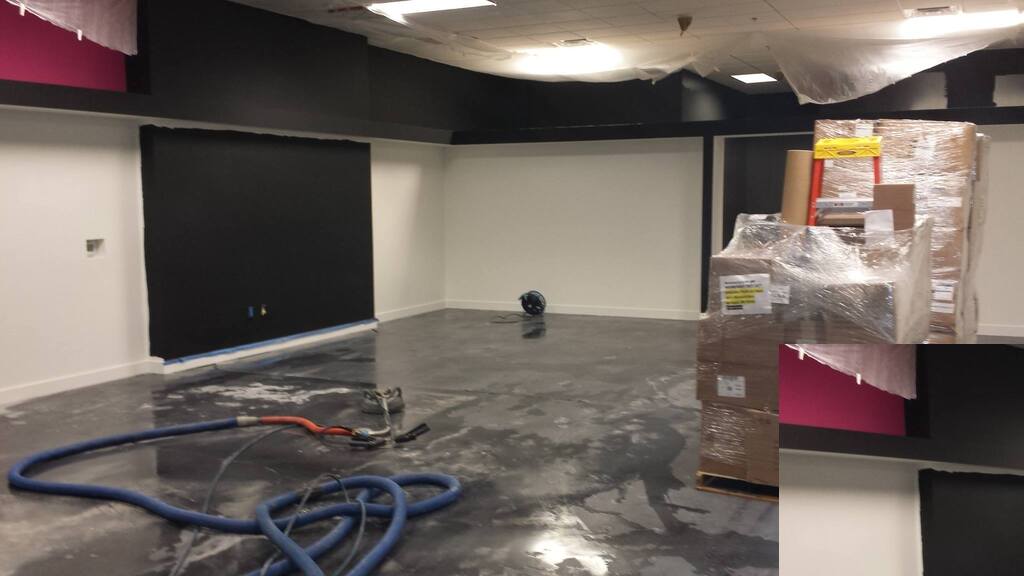 Documented drying to a moisture target, not a guess
When the subfloor is skipped, the failure is predictable. The visible water gets mopped, the room smells fine for a week or two, and then a musty odor creeps back. That returning smell is microbial growth in materials that were never dried. At that point the fix is no longer a cleanup; it has become odor removal and often mold remediation in the wall and floor cavities. Drying the subfloor correctly the first time is far cheaper and far less disruptive than chasing mold later.
Why DIY cleanup of contaminated water is risky
A clean overflow caught early is something many homeowners can handle: shut off the supply, extract the water, dry the floor, and keep an eye on the baseboards. We will say that plainly, because telling you when you do not need us is part of how we work. Contaminated water is a different situation, and the risks of handling it yourself fall into three buckets.
Health risk. Category 3 water carries bacteria, viruses, and other pathogens. Cleaning it without proper protective equipment exposes you to those pathogens directly and aerosolizes them into the air you breathe. A mop and rubber gloves are not adequate protection for a biohazard.
Incomplete decontamination. Household cleaners on a surface do not reach the bacteria that have already wicked into grout, drywall, and subfloor. The spill looks handled while contamination remains in the structure. Without the right antimicrobials, dwell times, and material removal, you are cleaning the part you can see and leaving the part that matters.
Hidden moisture and mold. Even if you decontaminate the surface, a subfloor you cannot measure stays wet, and wet plus organic plus contaminated is how mold begins. This is the most common way a DIY overflow cleanup fails: the visible job looks done, and the real damage matures out of sight.
There is also a documentation gap. If you ever need to make an insurance claim, or you are a property manager or HOA dealing with a unit-to-unit loss, an undocumented DIY cleanup leaves you without the moisture logs and verification that show the work was done to standard. For contaminated overflows, the safe and defensible path is certified help.
Certified in-house crews, not a stranger’s subcontractor
Who shows up to handle a biohazard in your home matters as much as the method. At Mold Eliminators every technician is a certified W-2 employee, not a subcontractor brokered out to a crew you have never met. When our name is on the job, our own people did the work, and they are trained to the same standards on every call.
Those standards are not borrowed. Owner Craig Herrmann is an IICRC Master certified expert and a co-author of the ANSI/IICRC S520 mold standard, which means the methods our crews use are measured against a rulebook he helped write. You can read more about Craig Herrmann and his work on the S520 standard and why that depth of expertise changes how a contaminated water loss is handled.
In-house accountability
All W-2 certified technicians, no subcontractors. The crew that arrives is trained, vetted, and answerable to us, not a stranger sent by a call center.
Independent verification
Where mold is a concern, results are checked by an accredited third-party lab with no incentive to oversell. We profit from fixing the problem, not from inventing one.
Fast emergency response
Contaminated water gets worse by the hour. Our one-hour emergency response, available 24/7, gets extraction started before the damage spreads.
If you are not sure whether your overflow is a quick cleanup or a biohazard, that is exactly the kind of question a free inspection is built to answer. We will tell you what category of water you are dealing with, whether the subfloor is wet, and whether you genuinely need remediation or just a careful dry-out. If you do not need the work, we will say so.
Frequently asked questions
- Is a toilet overflow always a biohazard?
- No. If clean tank water overflowed before any waste was present and you extract and dry it the same day, it can be a category 1 cleanup. But if waste was present, if the water came up from the drain, or if it sat overnight, treat it as a category 3 biohazard and keep people and pets out. When in doubt, the standard errs toward caution, and so should you.
- Can I just mop it up and use bleach?
- For a small clean overflow caught immediately, careful extraction and drying may be enough. For contaminated water, surface cleaning leaves bacteria in grout, drywall, and subfloor, and bleach does not address moisture that has wicked into the structure. Contaminated overflows need containment, material removal where warranted, antimicrobial treatment, and documented drying, the same disciplined approach used in sewage cleanup.
- Why does my bathroom still smell musty after I cleaned the overflow?
- A returning musty odor almost always means moisture and microbial growth in materials that were never dried, most often the subfloor. At that stage the fix moves from cleanup to odor removal and frequently to remediation in the floor and wall cavities. Drying the structure to a verified target the first time prevents this.
- How long does it take to dry out a toilet overflow?
- Most structural drying runs 24–72 hours depending on how much water intruded and how the floor assembly is built. The job is not done when the surface feels dry; it is done when moisture meters confirm the affected materials match the surrounding dry standard. This is part of professional water damage restoration.
- Do I need professional help for every overflow?
- No, and we will tell you when you do not. A clean, freshly caught overflow is often a DIY job. Contaminated water, standing water, or any overflow that reached carpet, cabinets, or the subfloor is where certified help protects both your health and your home. A free inspection settles the question quickly.
Las Vegas · North Las Vegas · Henderson · Summerlin
Not sure if your overflow is a biohazard? Find out for free.
We will identify the water category, check the subfloor for hidden moisture, and tell you honestly whether you need remediation or just a careful dry-out. Certified in-house crews, independent lab verification, one-hour emergency response.